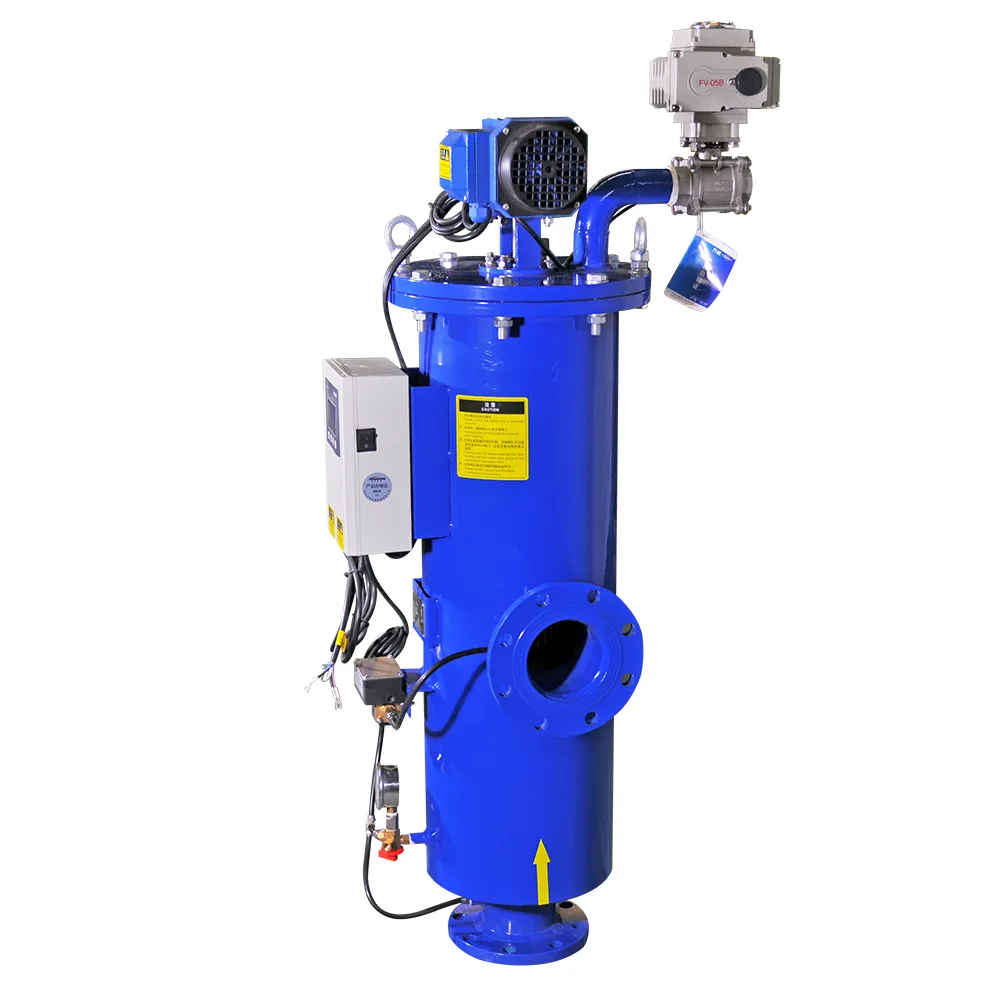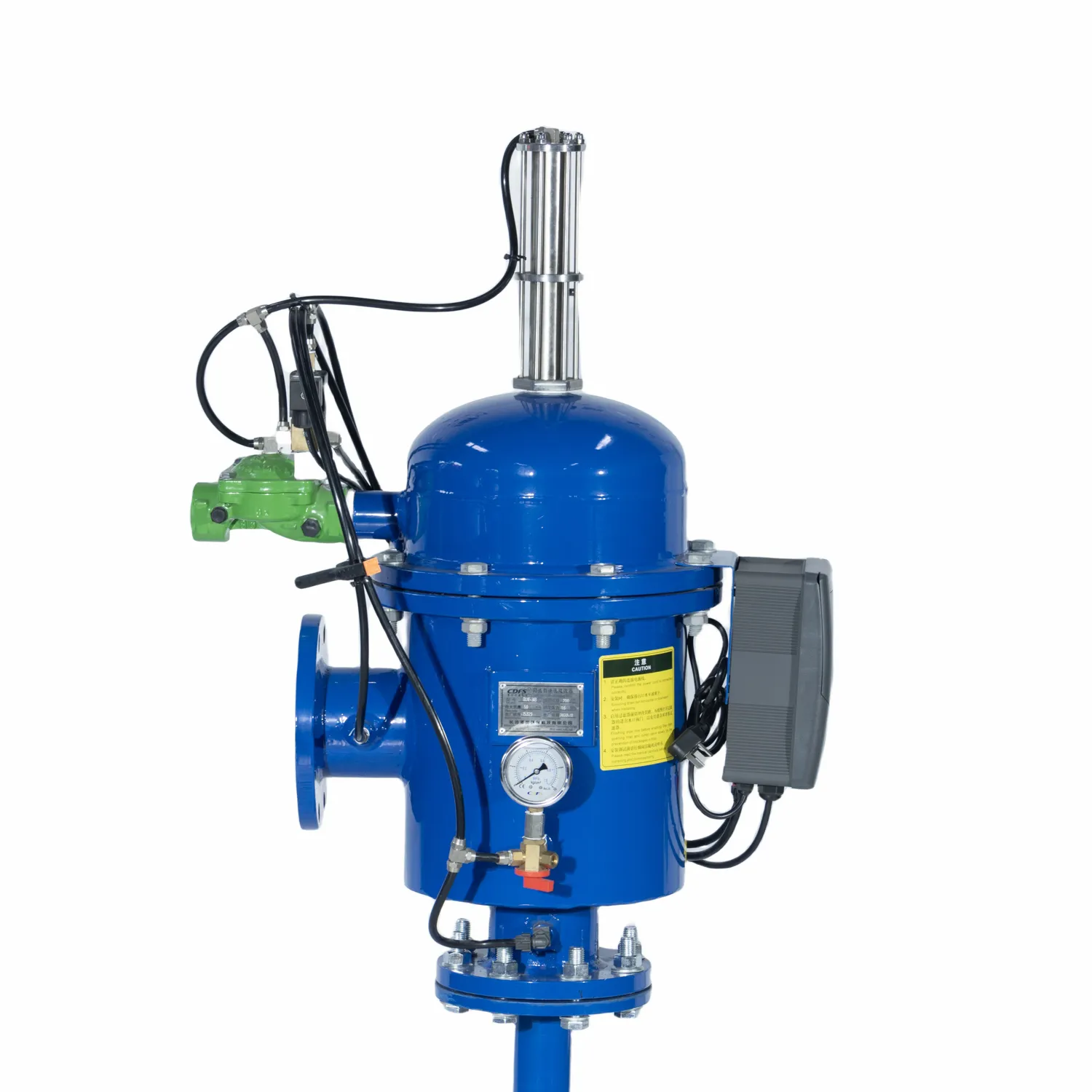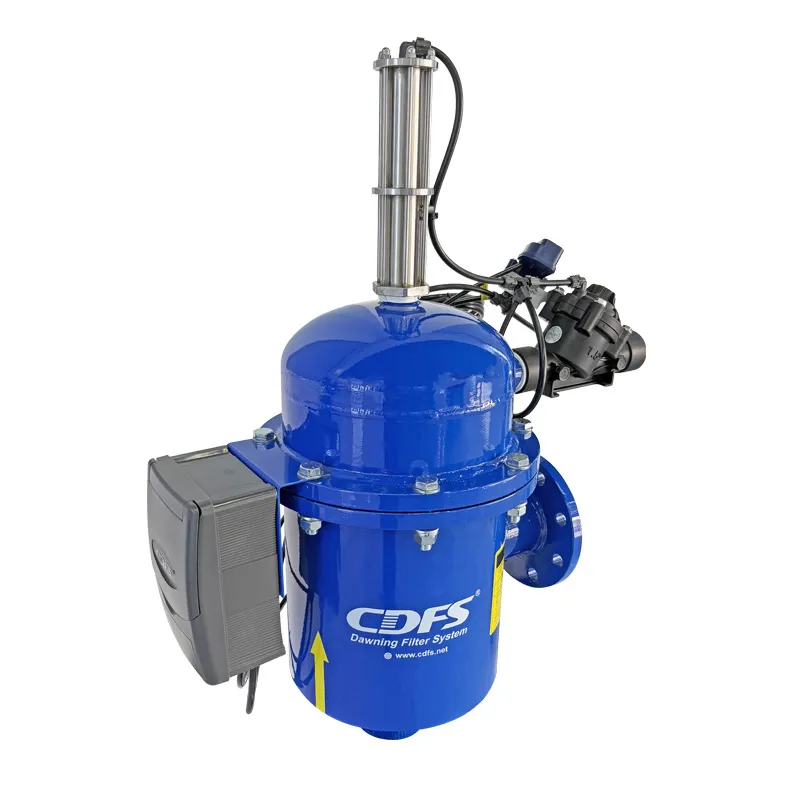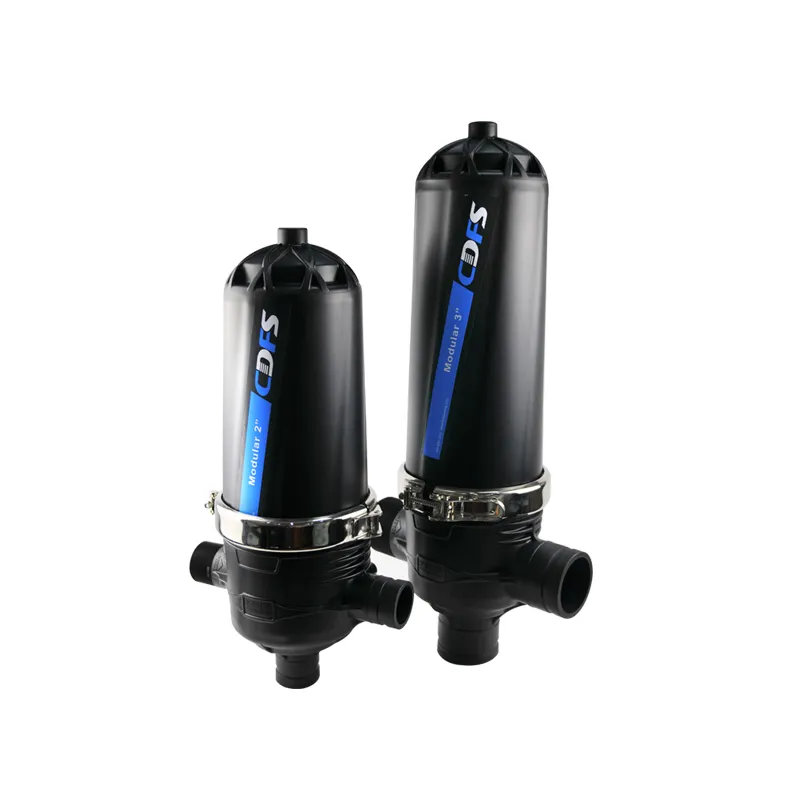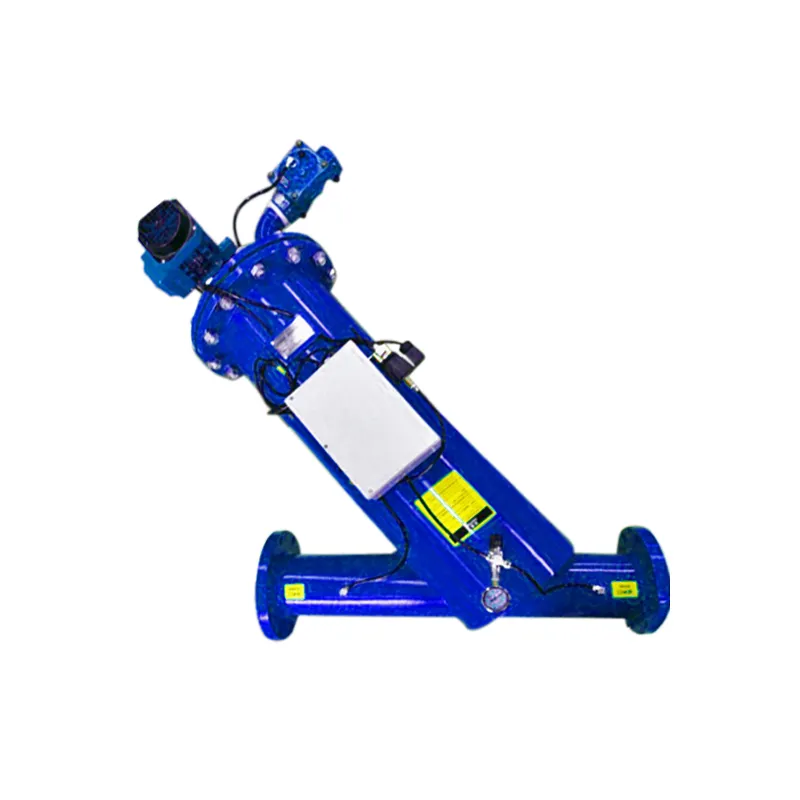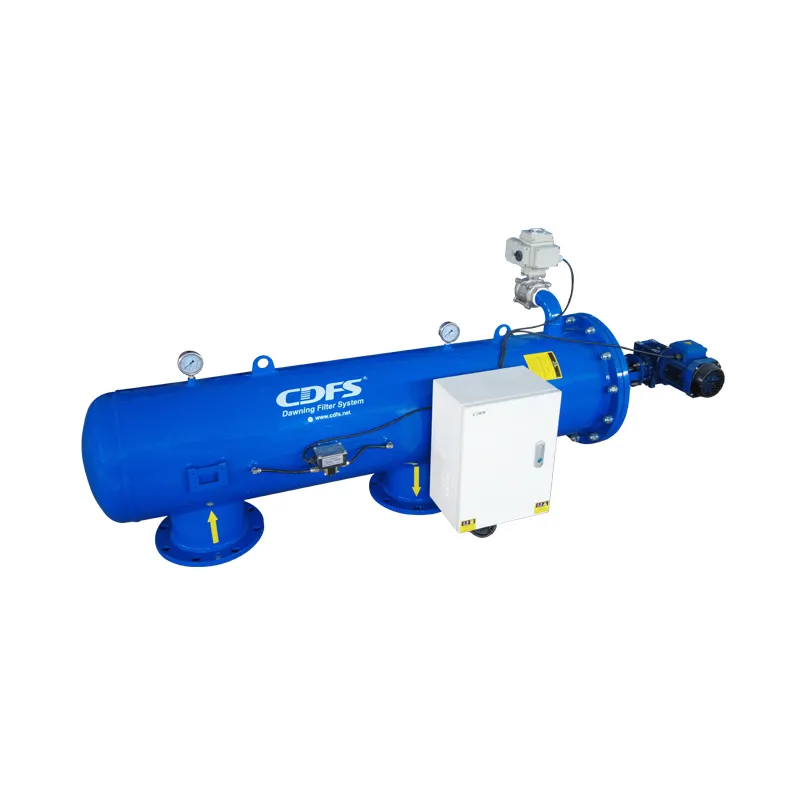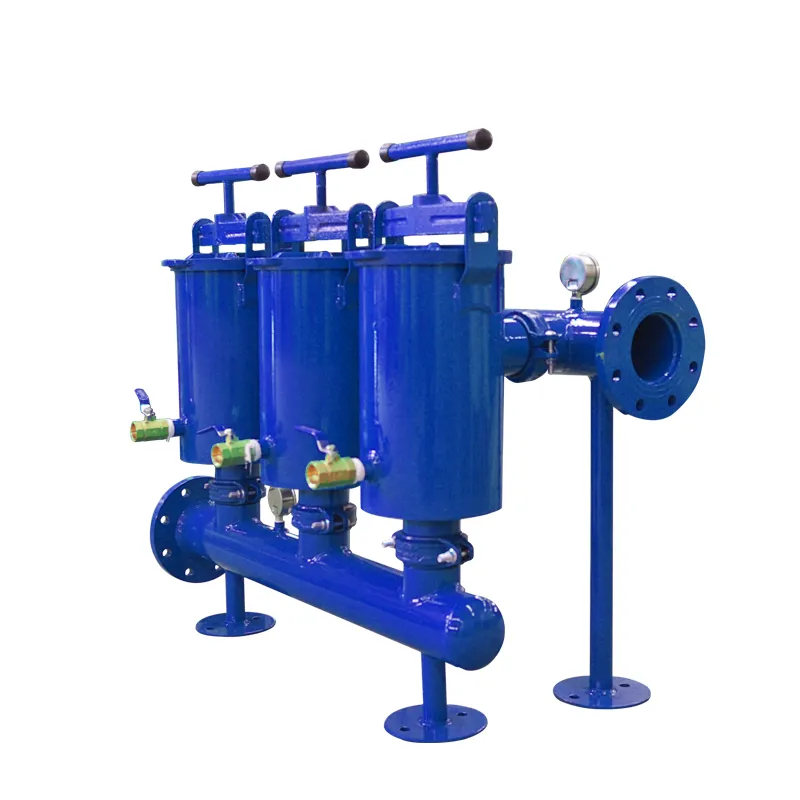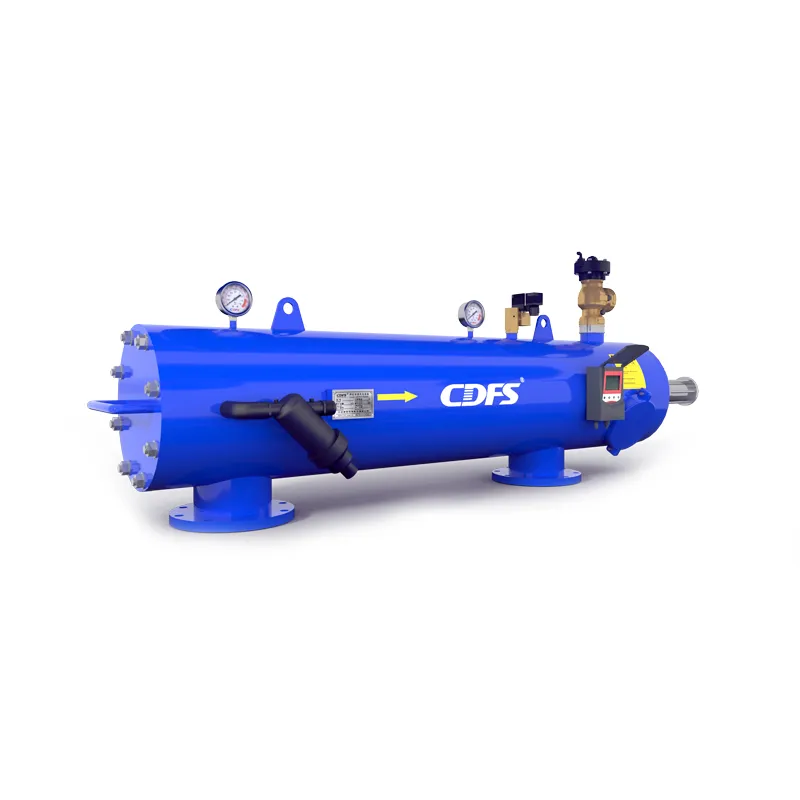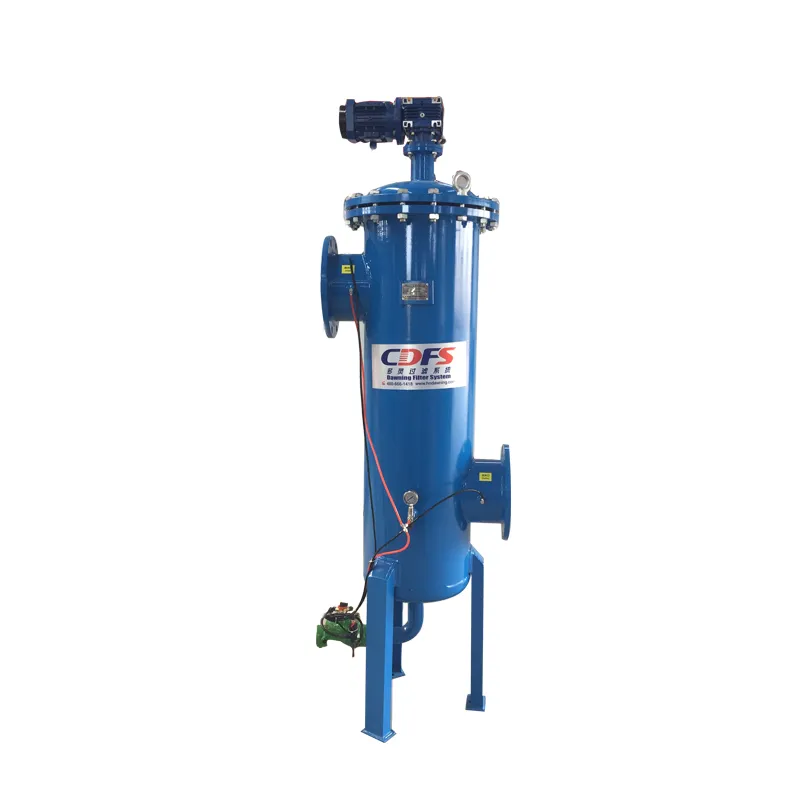
Versatility is a defining feature of electric irrigation controller, which are available in a range of sizes and filtration levels to suit various crops, climates, and irrigation methods. Whether used in row crops, orchards, vineyards, or greenhouses, these filters can be tailored to specific needs, offering effective solutions across diverse agricultural environments.
Advanced electric irrigation controller models incorporate sensors that monitor pressure and flow rates in real time, providing early warnings of clogging or system inefficiencies. These intelligent features enable proactive maintenance, preventing irrigation failures and ensuring consistent water delivery to crops, ultimately contributing to improved farm productivity and resource management.
Q: What role does media size and layering play in the efficiency of irrigation filter? A: The size and layering of media within irrigation filter are critical for optimizing filtration. Larger media particles on top allow for effective removal of bigger debris, while finer particles below capture smaller suspended solids, resulting in comprehensive water purification. Q: How do irrigation filter compare to other filtration systems in terms of cost and maintenance? A: Irrigation filter generally offer a cost-effective solution with moderate maintenance requirements. Their backwashable design reduces the need for frequent media replacement, and their simplicity makes them easier to operate compared to more complex filtration technologies. Q: Are irrigation filter suitable for removing biological contaminants? A: While primarily designed to remove suspended solids, irrigation filter may also reduce some microorganisms attached to particles; however, biological treatment processes such as chlorination or UV treatment are usually required for thorough pathogen removal. Q: What operational parameters are important to monitor in irrigation filter? A: Key parameters include flow rate, pressure differential across the filter bed, and backwash frequency. Monitoring these helps maintain optimal filtration efficiency and prevents damage or clogging in the system. Q: How does water temperature affect the performance of irrigation filter? A: Water temperature can influence filtration efficiency and backwashing effectiveness. Extremely cold water may slow filtration rates and biological activity, while higher temperatures may increase rates but also affect media stability over time. Proper design accounts for expected temperature ranges.
The stacked discs provide very precise filtration, which has noticeably improved our water quality. Our irrigation system runs smoother and equipment lasts longer.
Our water quality has improved thanks to this media filter. It removes fine particles and adsorbs contaminants, preventing scaling and protecting pipes.
To protect the privacy of our buyers, only public service email domains like Gmail, Yahoo, and MSN will be displayed. Additionally, only a limited portion of the inquiry content will be shown.
Is your irrigation filter easy to clean and maintain? We prefer a clog-free system with long lifespa...
Interested in a compact screen filter for HVAC application. Does it come with pressure gauges or ala...



 EN
EN
 FR
FR
 NL
NL
 RU
RU
 AR
AR
 VI
VI
 LO
LO
 RO
RO
 TH
TH
 MY
MY
 MS
MS
 PT
PT
 ES
ES
 KO
KO
 BE
BE
 JA
JA
 FIL
FIL
 KA
KA
 DE
DE
 IT
IT